Marble floor polishing in Singapore that restores the stone, not just the shine
PolishingHub grinds, hones and polishes marble, granite and natural stone back to a clear, even finish. Every job starts with an on-site assessment, so the method fits your stone and the quotation covers exactly what your floor needs.
Tell us about your floor and we will contact you to arrange a site assessment. No obligation.
Common marble problems we put right
Marble rarely fails all at once. It dulls, marks and chips a little at a time, and each kind of damage has its own remedy. These are the six we are asked about most.
Dull, hazy walkways
Grit underfoot wears the polish away along the routes people use most. Honing and re-polishing brings those lanes back level with the rest of the room.
Etch marks and water rings
Pale, rough-looking spots left by citrus, vinegar, wine or harsh cleaners. They are surface damage, not stains, and are honed out and re-polished.
Scratches and scuffs
Dragged chairs, trolleys and sand from outdoors. Fine scratches are honed away. Deep ones are ground out first.
Stains and yellowing
Coffee, oil and rust soak into porous stone, and white marble can yellow under old wax or trapped moisture. We find the cause first, because each needs a different treatment.
Cracks, chips and holes
Filled with colour-matched resin, ground flush and polished so the repair is hard to find afterwards.
Uneven tiles and tired joints
Raised tile edges catch dirt and light. Grinding levels the floor, and worn grout is renewed for a cleaner, more continuous look.
Natural stone care from people who understand the stone
PolishingHub is a Singapore marble polishing and stone restoration company. We look after marble, granite, travertine, limestone and terrazzo floors in homes and commercial properties, from a single living room to a building lobby.
Marble is a soft, calcium-based stone. It scratches under grit, etches when acidic spills sit on it, and gradually loses its reflection under daily traffic and Singapore's humidity. Bringing it back takes more than a coat of polish. The worn layer has to be refined mechanically, stage by stage, until the stone itself carries the shine.
That is the work we do. We inspect before we quote, explain what each step will and will not achieve, protect the rooms we work in, and hand the floor back only when the finish is even from wall to wall.
An honest assessment
If a mark is too deep to remove completely, you hear it from us before work starts.
Careful workmanship
Edges, corners and thresholds get the same attention as the open floor.
Respect for your property
Walls, skirting, furniture and fittings are protected, and the site is left clean.
Care that lasts
You receive maintenance advice written for your stone, not a generic leaflet.
Marble polishing and stone restoration services
Whether your floor needs a light re-polish or a full restoration, the work is built from the same set of specialist treatments. Here is what each one does and when it is the right choice.
Marble Floor Polishing
For floors that are sound but have lost their clarity. We refine the surface with progressively finer diamond abrasives and finish with a compound suited to your marble, bringing back an even reflection without waxes or coatings that yellow and peel.
A full programme for marble that is worn, patchy or neglected: deep cleaning, repairs, grinding, honing, polishing and protection, planned in sequence. It is the alternative to hacking up a floor that still has decades of life in it.
Deals with wear, damage and dullness in one project
Grinding flattens uneven tile edges, known as lippage, and removes deep scratches with coarse diamond tooling. Honing then refines the surface to a smooth satin, either as the base for a high polish or as a low-sheen finish in its own right.
A finishing treatment for calcium-based stone. A crystallising compound is worked into the surface under a weighted machine to form a harder, glossier top layer. We use it where it suits the stone and the traffic, and recommend alternatives where it does not.
High gloss that stands up to steady foot traffic
Practical for periodic upkeep of lobbies and corridors
Coffee, tea, wine, oil, rust and standing water all mark marble differently, so each needs its own treatment. We identify the stain, draw it out with a suitable poultice or cleaning agent, then re-polish the area so it blends with the floor around it.
Treatment matched to the type of stain
Treated areas blended into the surrounding finish
Straight advice when a stain is too deep to lift fully
Light scratches and scuffs sit in the top layer of the stone and can be honed out and re-polished. Deeper gouges from dragged furniture need grinding first. Either way, we work the repair outwards so you are not left with a shiny patch on a dull floor.
Marble is porous. A penetrating sealer soaks below the surface and slows the absorption of water and oil, giving you time to wipe up a spill before it becomes a stain. It does not change the look of the stone, and it does not stop acid etching, so we pair it with care advice.
More time to clean spills before they stain
Invisible, breathable protection
Recommended for kitchens, bathrooms and dining areas
Cracks, chips, dents and small holes are filled with resin tinted to match the stone, then ground flush and polished with the rest of the floor. Open or crumbling joints are refilled with marble gum grouting, or epoxy grouting in wet areas, for a tighter, more continuous surface.
Colour-matched fills that sit flush with the surface
Scheduled visits that keep a restored floor looking restored: machine cleaning, light re-polishing of traffic lanes and resealing when the stone needs it. Programmes are set around how the space is used, whether that is a family home or a building lobby.
Kitchen tops, bathroom vanities, basins and marble dining or coffee tables take more spills than any floor. We remove etch rings, water marks and light scratches by hand and with small machines, re-polish the surface to match its original finish, and seal it so everyday use is easier to live with.
Granite is far harder than marble and does not respond to marble polishing powders, so it needs its own abrasives and more machine time. We also restore terrazzo floors, common in older HDB flats and landed homes, along with slate, sandstone and compressed marble, each with the method the material calls for.
Travertine and limestone are softer and more open-textured than marble. We clean out and refill travertine's natural voids, hone the surface evenly, and finish it to the sheen that suits the stone, from a soft matte to a gentle polish, before sealing.
Eight commitments we make on every job, whether it is one room in a flat or every lobby in a building.
Skilled, experienced technicians
Stone restoration is hands-on work. Your floor is handled by trained technicians who know how different marbles behave under the machine, not by general cleaners.
Professional polishing equipment
Weighted floor machines, graded diamond abrasives and wet working methods that keep dust down. This is the equipment that separates restoration from surface buffing.
Treatment that fits the stone
Carrara, Crema Marfil, granite and travertine each need a different approach. We identify the stone first, then choose abrasives, compounds and sealers to suit.
Attention to detail
Corners, edges, skirting lines and thresholds are finished by hand, so the result looks uniform from every angle and in every light.
Transparent quotations
Your written quotation sets out the area, the steps included and the price. If the scope needs to change, we agree it with you first.
Reliable scheduling
We confirm dates in advance, arrive when we say we will and keep you updated. Commercial work can be planned around trading hours.
Quality-focused workmanship
We do not skip abrasive grades or mask problems with coatings. The floor is inspected with you at handover, and anything that is not right is put right.
Homes and commercial sites
From a condominium living room to a hotel lobby, we scale the team, the equipment and the working hours to the property.
Our marble polishing process, step by step
Seven stages from your first message to the final walk-through. Not every floor needs all of them, and your quotation will say which apply to yours.
Tell us about your floor by phone, message or the enquiry form. Photos, the approximate area and a description of the problem help us give useful first advice.
2
Site inspection and stone assessment
We visit to identify the stone, check its condition in proper light, test problem areas and measure up. You receive a clear recommendation and a written quotation.
3
Surface preparation
Furniture is cleared or protected, walls, skirting and fittings are masked, and the floor is deep cleaned. Cracks, chips and open joints are repaired at this stage.
4
Grinding and honingWhere required
Coarse diamond abrasives level uneven tiles and remove deep scratches. Finer grades then hone away the marks of each previous pass until the surface is smooth and uniform.
5
Professional polishing
The honed surface is taken through fine abrasives and polishing compound to the finish agreed with you: high gloss, satin or honed.
6
Sealing and surface protectionWhere appropriate
A penetrating sealer is applied where the stone and the location call for it, such as kitchens, bathrooms and entrances, to slow staining from spills.
7
Final inspection and handover
We clean up, remove the protection and walk the floor with you. You receive care instructions for your stone and advice on when maintenance is worth scheduling.
Before and after: what marble restoration changes
Drag the handle across each image, or use the arrow keys, to compare a worn surface with the same surface after grinding, polishing and sealing.
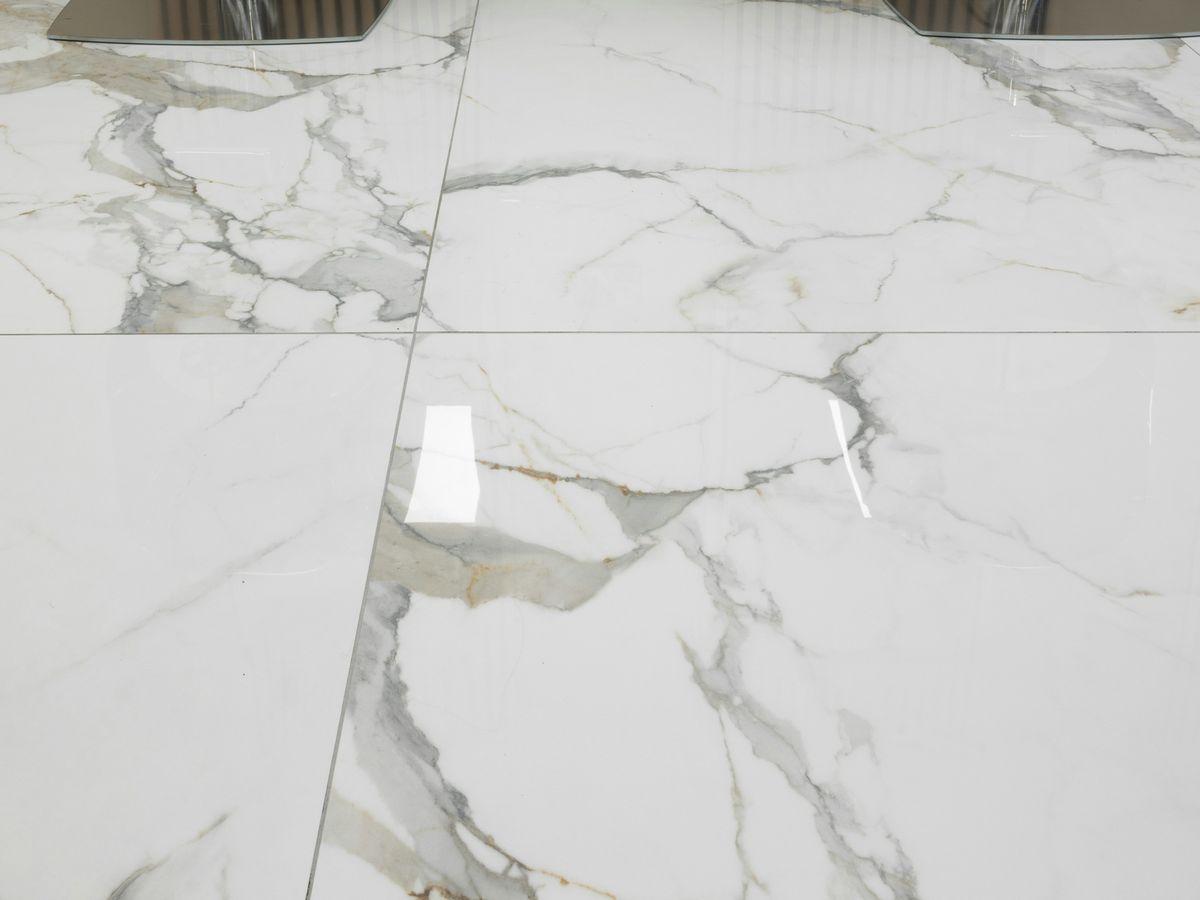
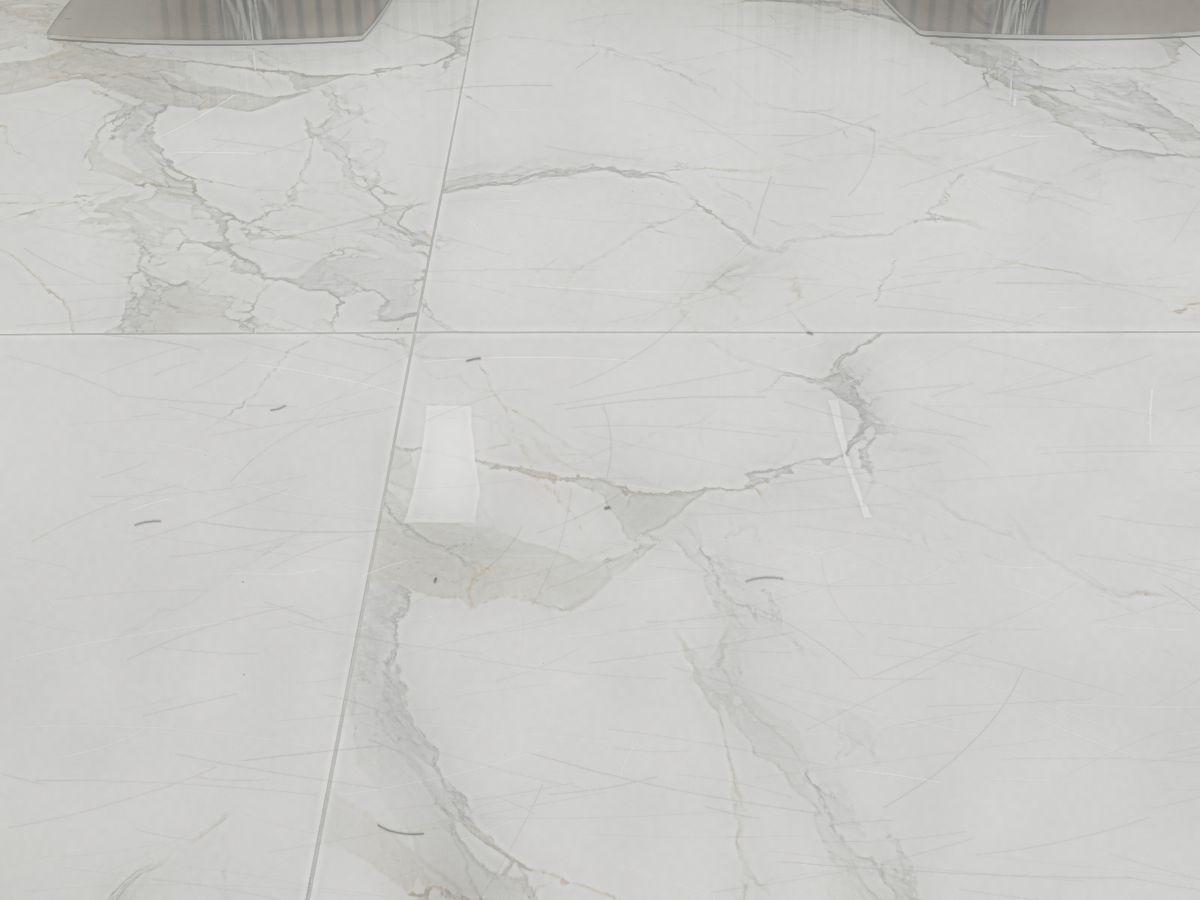
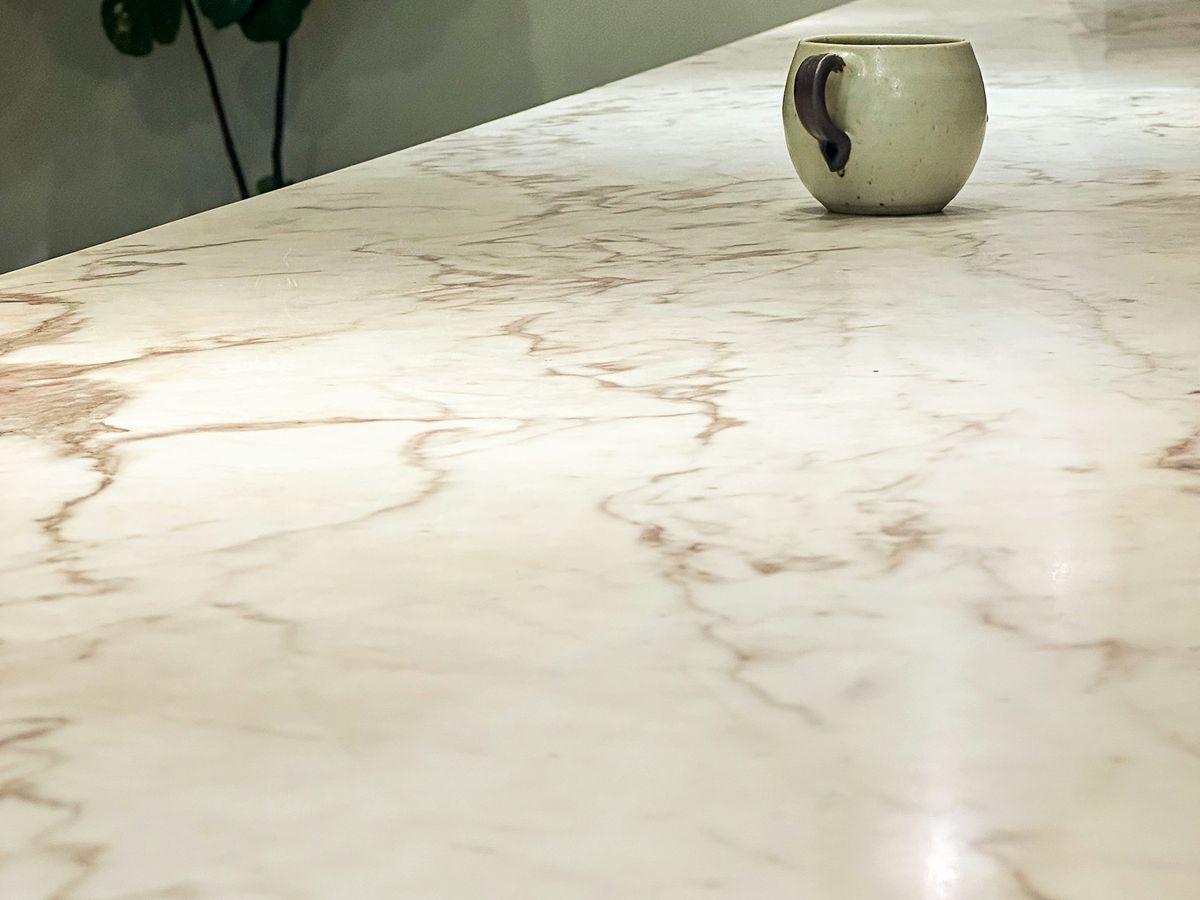
Illustrations, not PolishingHub client projects. Each “after” is a real photograph of polished stone; each “before” is the same photo with typical wear added digitally. Photos from our own jobs will replace them.
Before (simulated)After
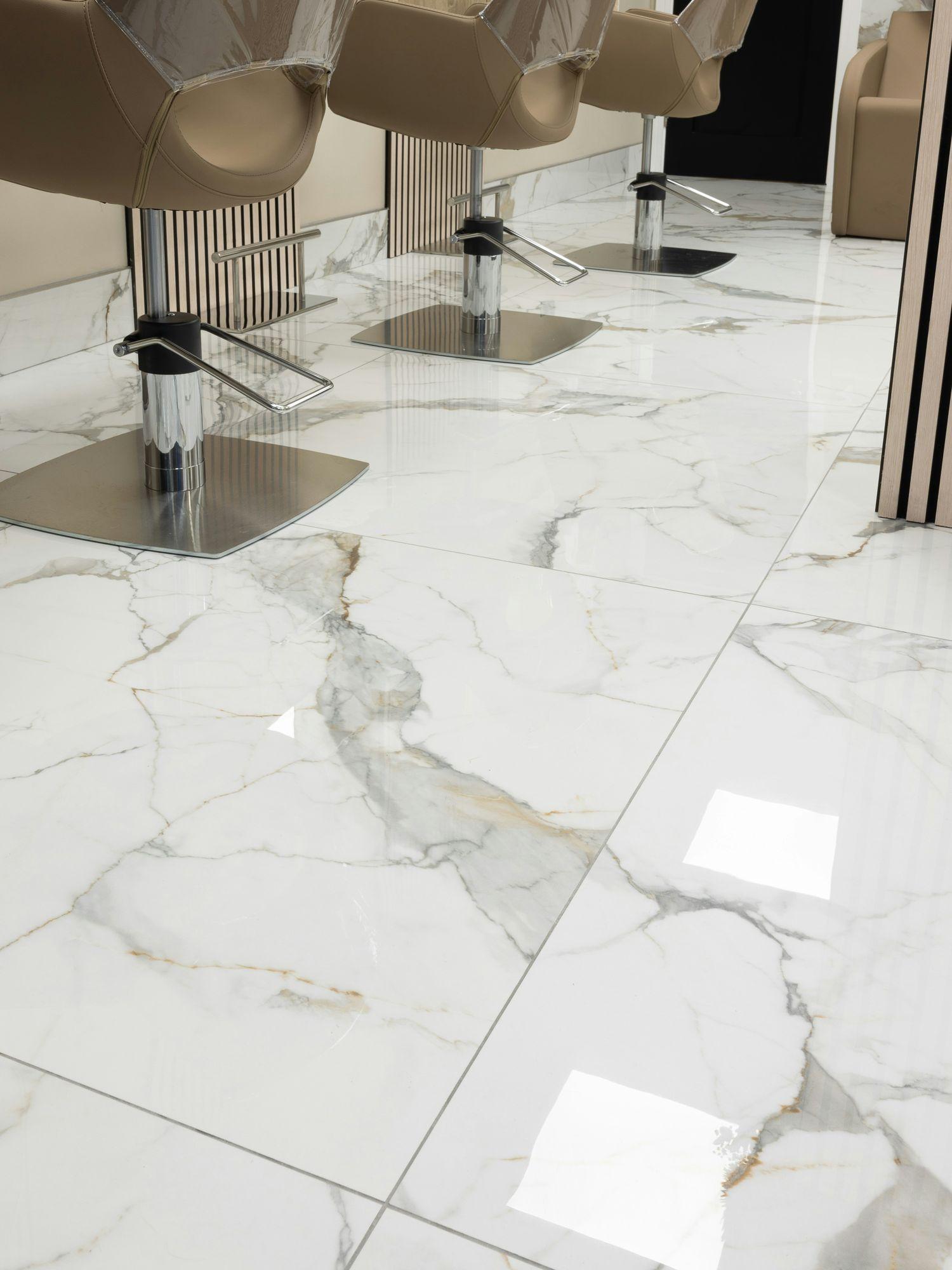
Dull, worn hall floor back to a mirror polish
The problem
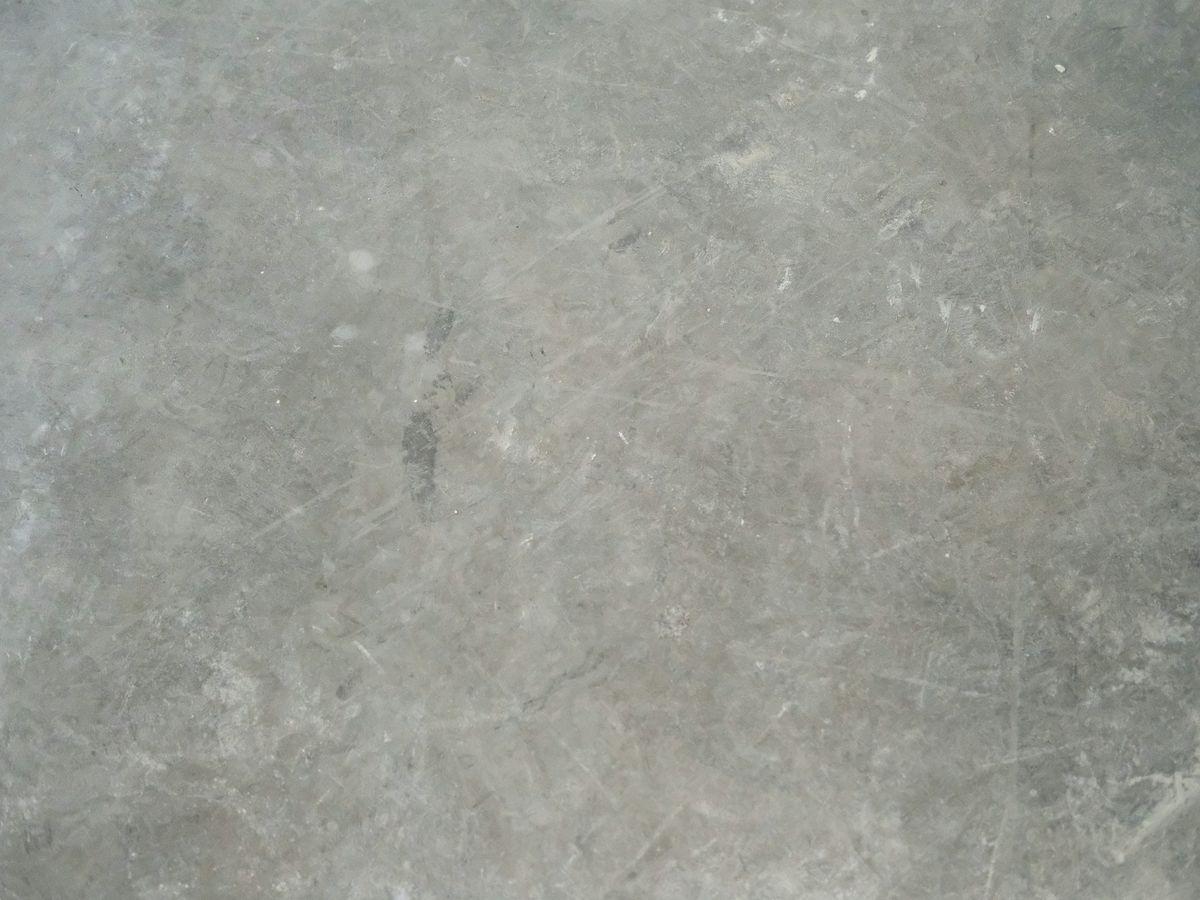
Years of foot traffic have ground the polish off. The floor looks flat and milky, walkways are greyer than the edges, and fine scratches catch the light.
Treatment
Deep clean, diamond grinding and honing to remove the worn layer, then progressive polishing
Result
A clear, even reflection across the whole floor, with the pattern in the stone crisp again
Before (simulated)After
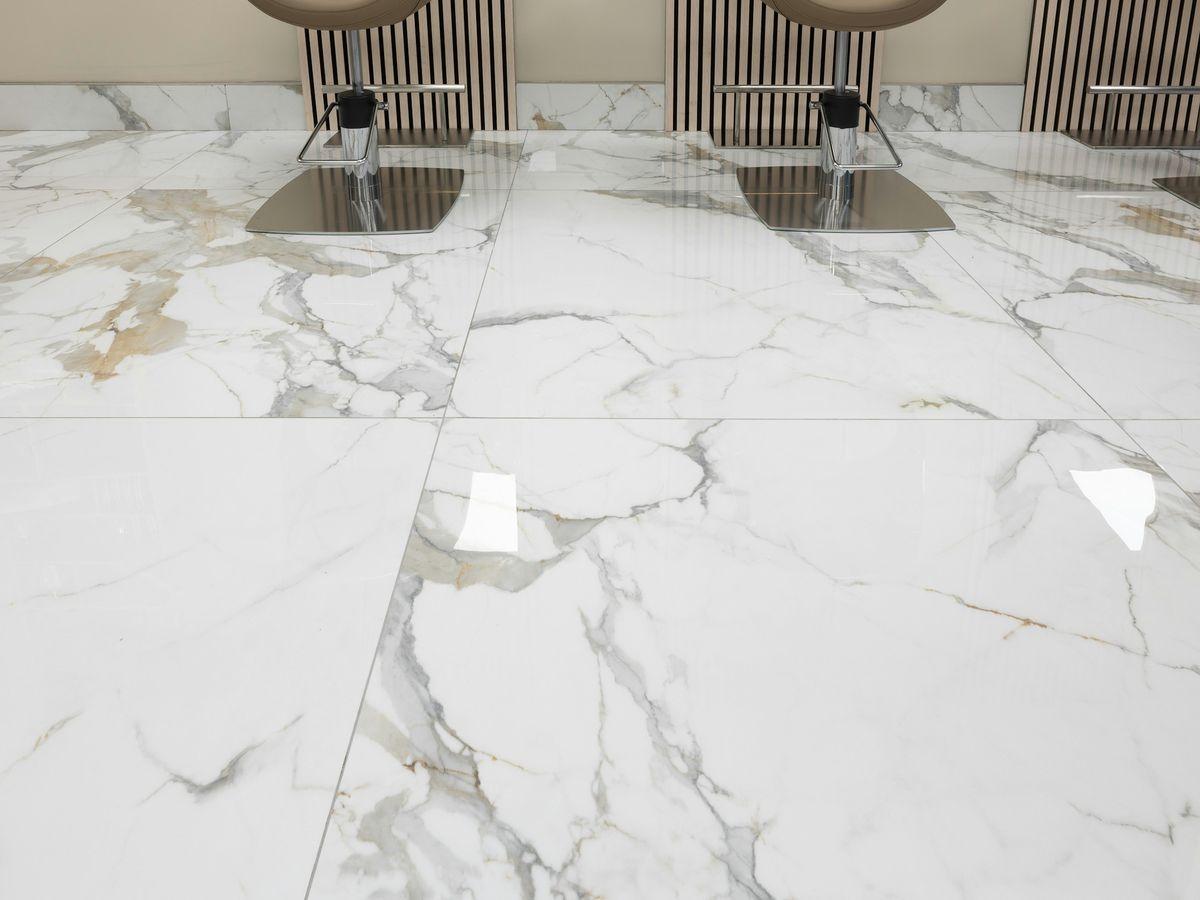
Scratched white marble floor restored
The problem
Scratches, scuff marks and a grey film from foot traffic and unsuitable cleaners have flattened the shine and muted the veining.
Treatment
Scratch removal by honing, then polishing and a penetrating sealer
Result
Bright white marble with sharp grey veining and a high gloss
Before (simulated)After
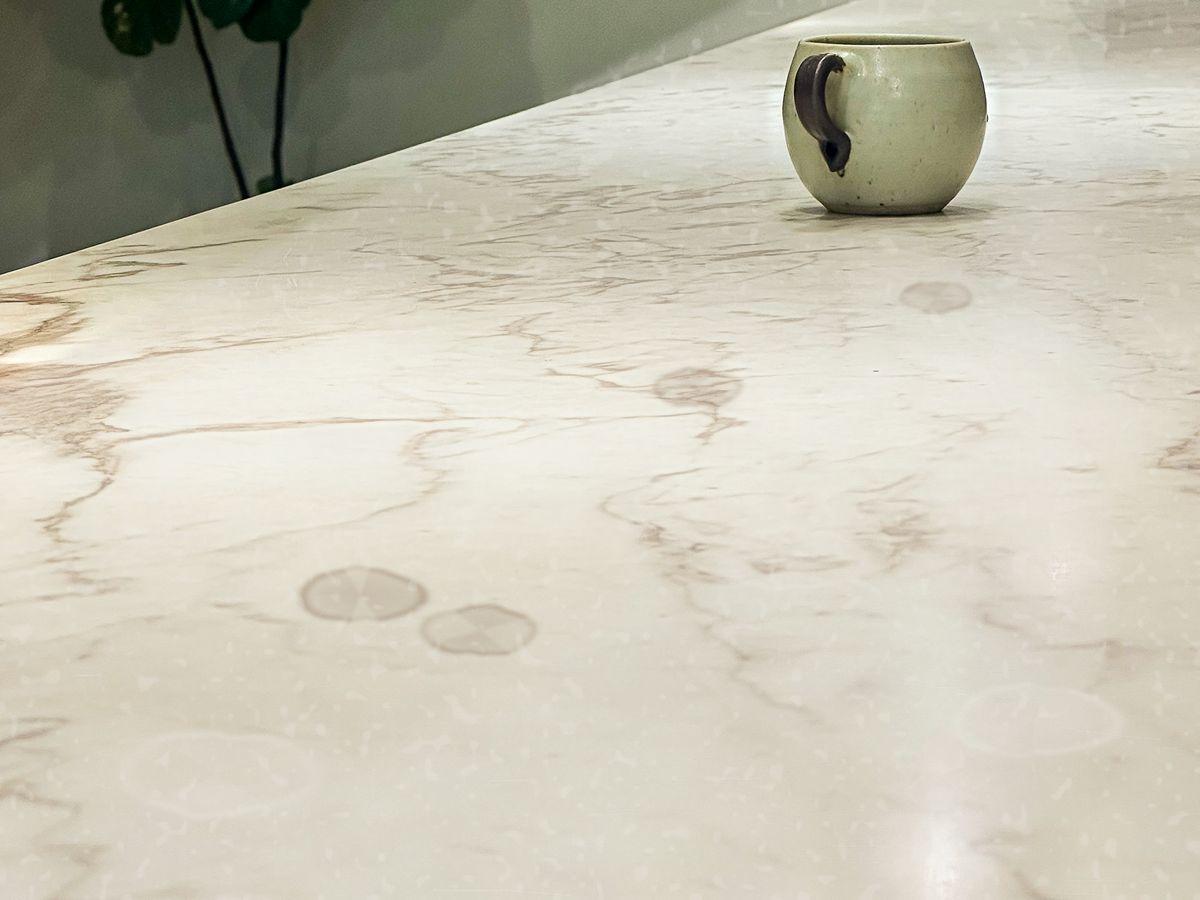
Stained marble countertop cleaned and sealed
The problem
Coffee rings, pale etch marks from acidic spills and water spots have left the surface patchy and dull.
Treatment
Poultice stain removal, etch removal by honing, re-polishing and sealing
Result
An even, polished top that gives you time to wipe up the next spill before it marks
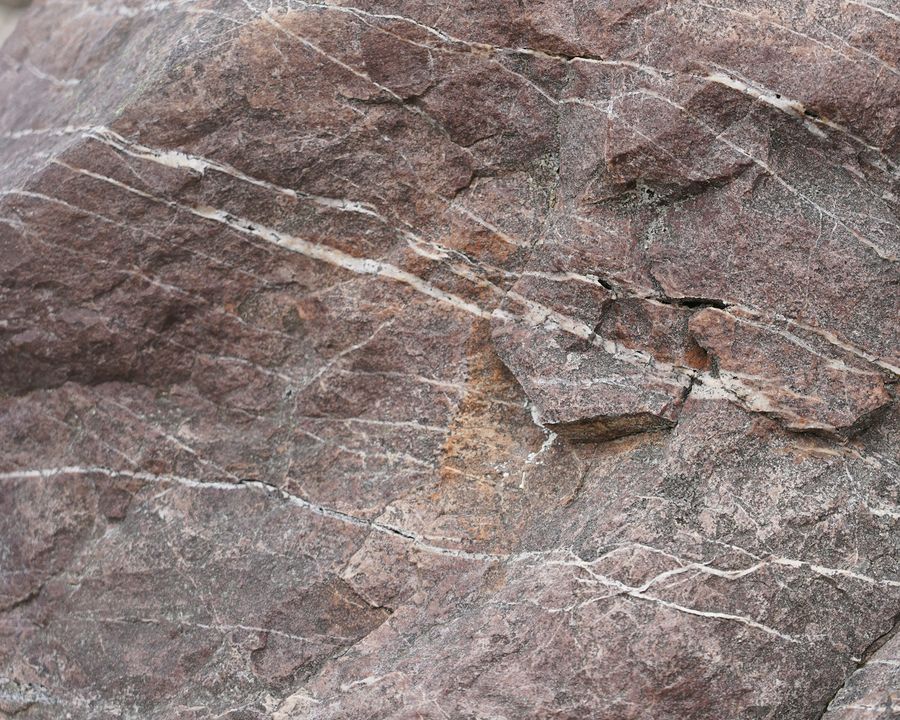
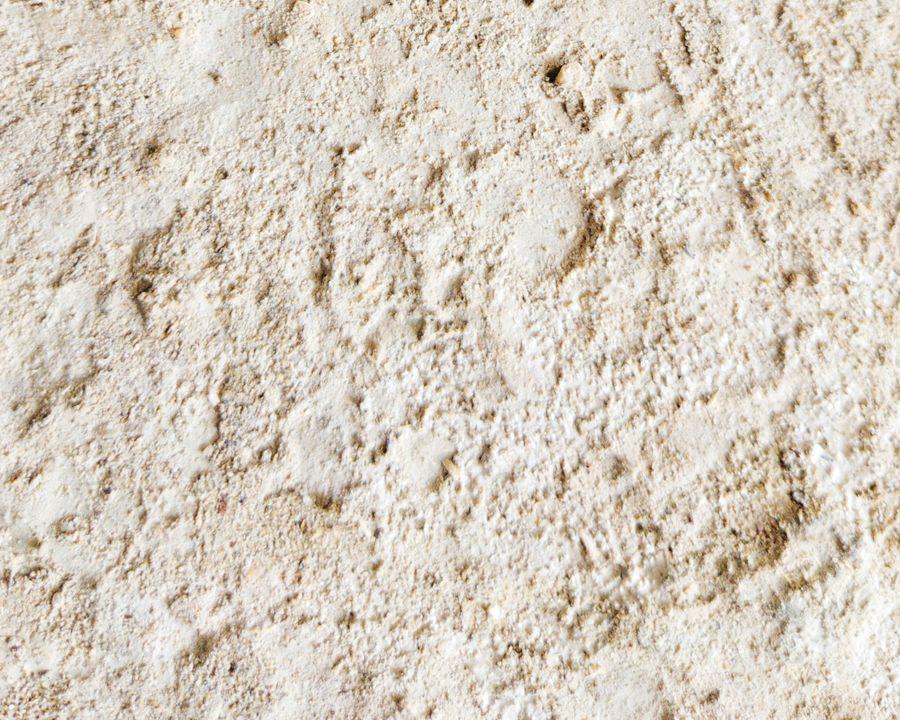
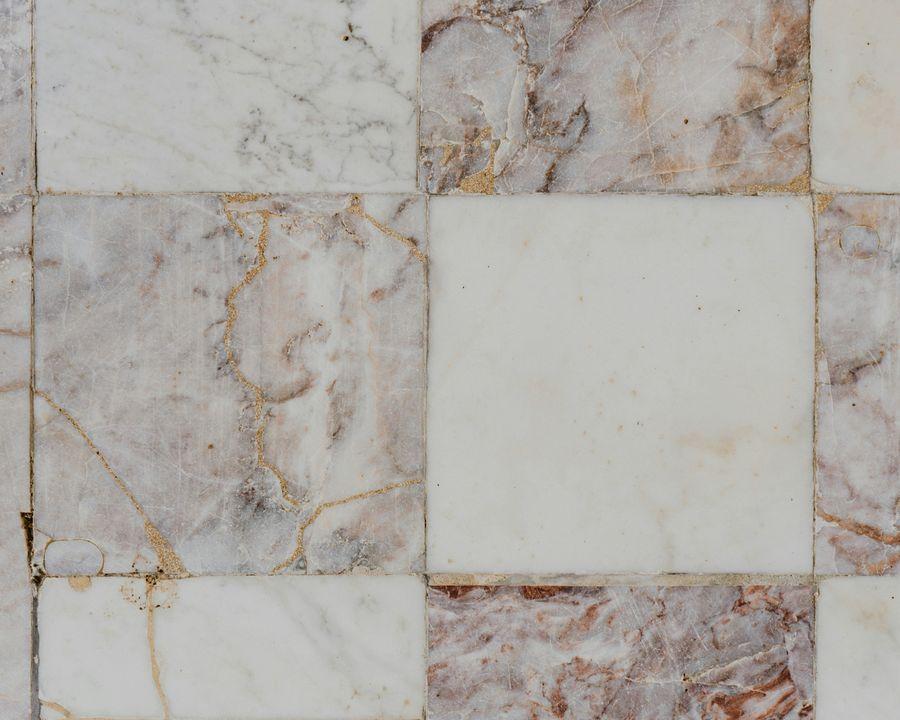
Marble and natural stone we work with
No two stones polish the same way. Hardness, porosity, mineral content and the way a stone was filled or finished at the factory all change which abrasives, compounds and sealers are safe to use. Identifying the stone correctly is the first step in every job.
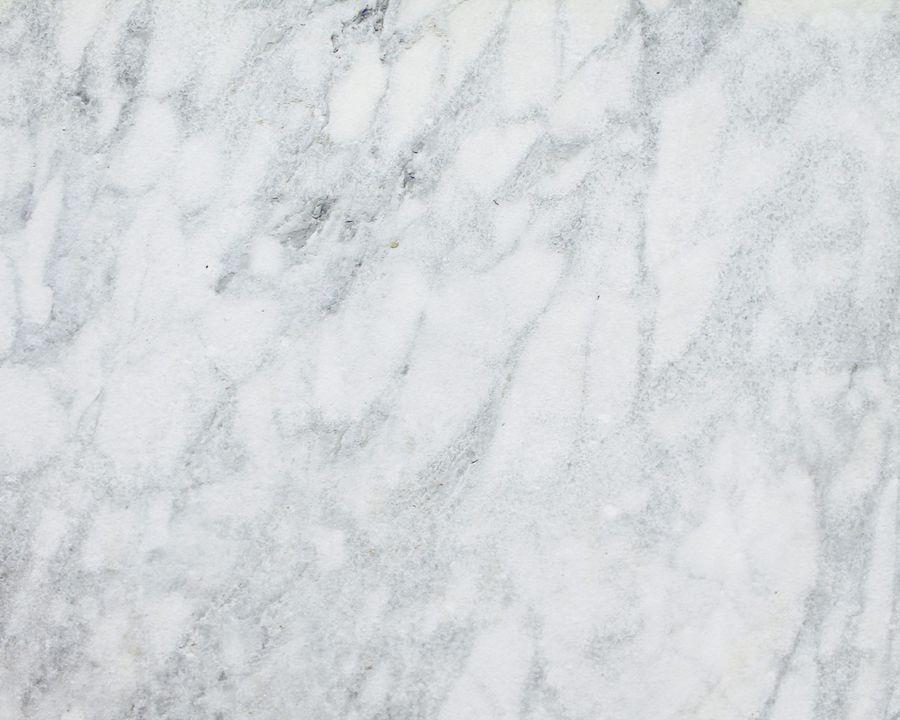
Carrara Marble
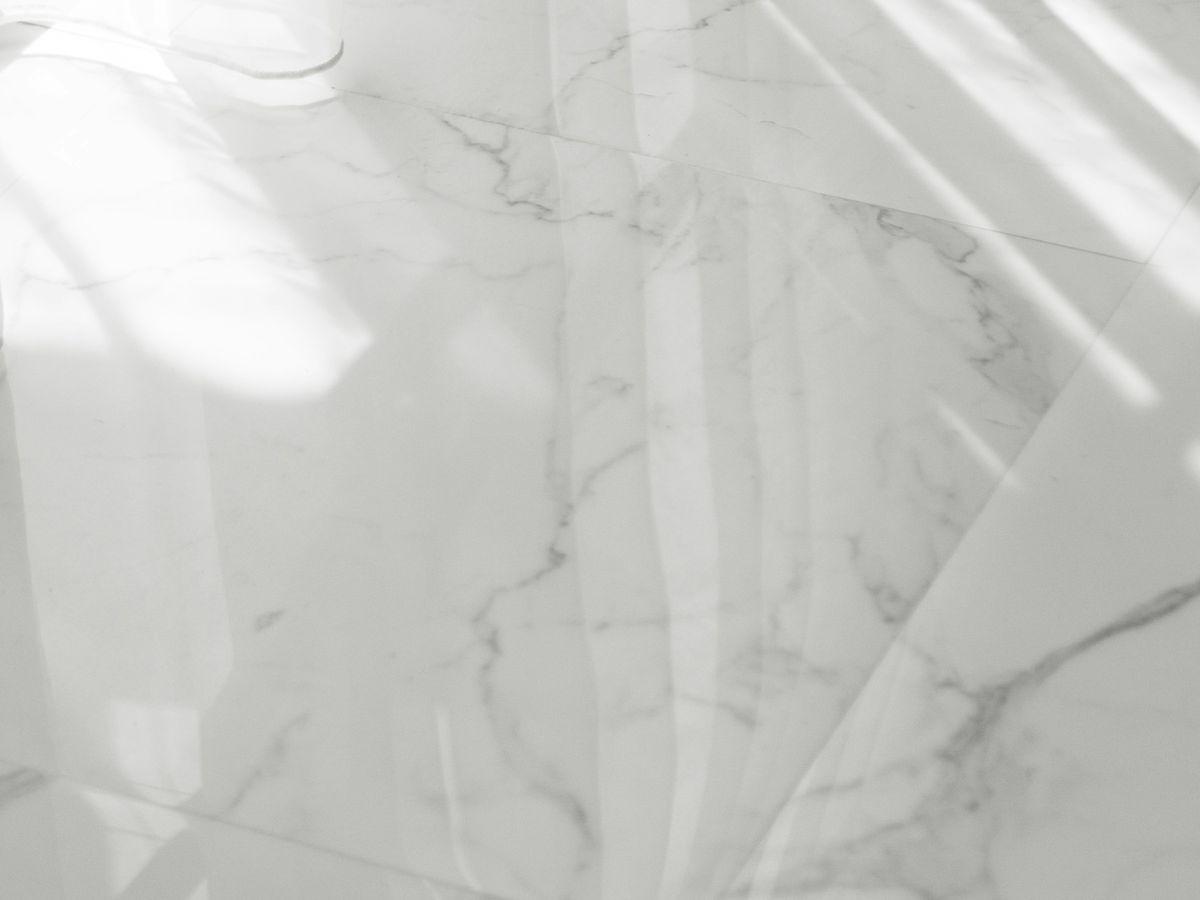
Soft white to blue-grey Italian marble with fine, feathery veining. It hones and polishes readily, but its pale colour shows etching and can yellow if moisture is trapped, so we control water use and seal carefully.
Acid-sensitive
Yes
Usual finish
Polished or honed
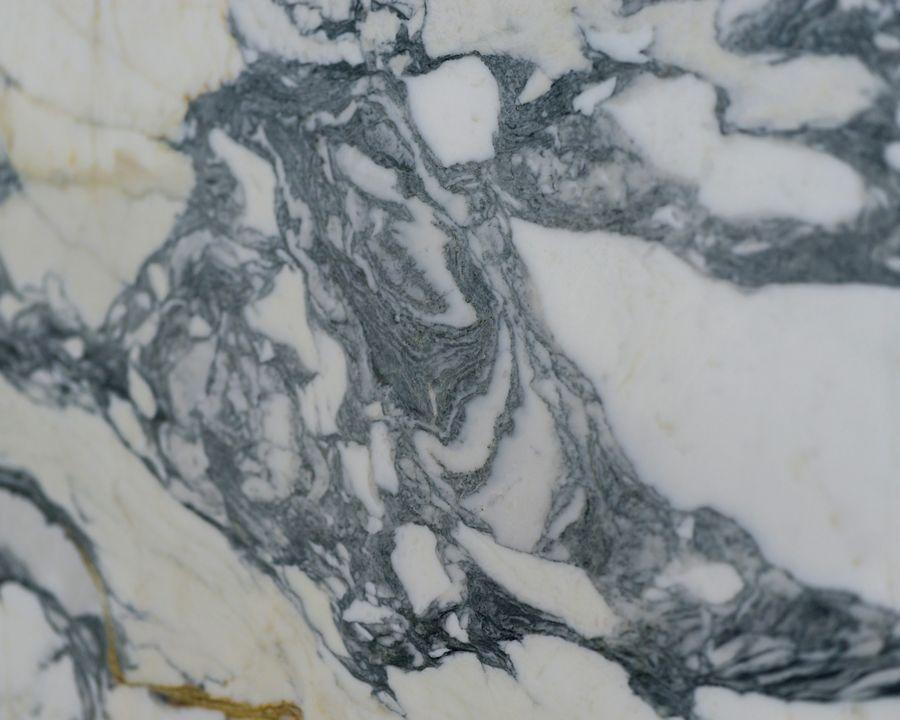
Calacatta Marble
A brighter white with bold grey and gold veining, usually laid as a statement floor or feature wall. We work it gently and evenly so the veining stays crisp and the background stays clean.
Acid-sensitive
Yes
Usual finish
High polish
Crema Marfil
The warm beige Spanish marble found in many Singapore condominiums. It takes a high polish well, though natural fissures and old resin fills need checking and repairing before grinding.
Acid-sensitive
Yes
Usual finish
High polish
Emperador Marble
Deep brown with pale, web-like veining. Dark stone makes every scratch and etch mark visible, so it needs a finer honing sequence and a meticulous final polish to look uniformly rich.
Acid-sensitive
Yes
Usual finish
High polish
Travertine
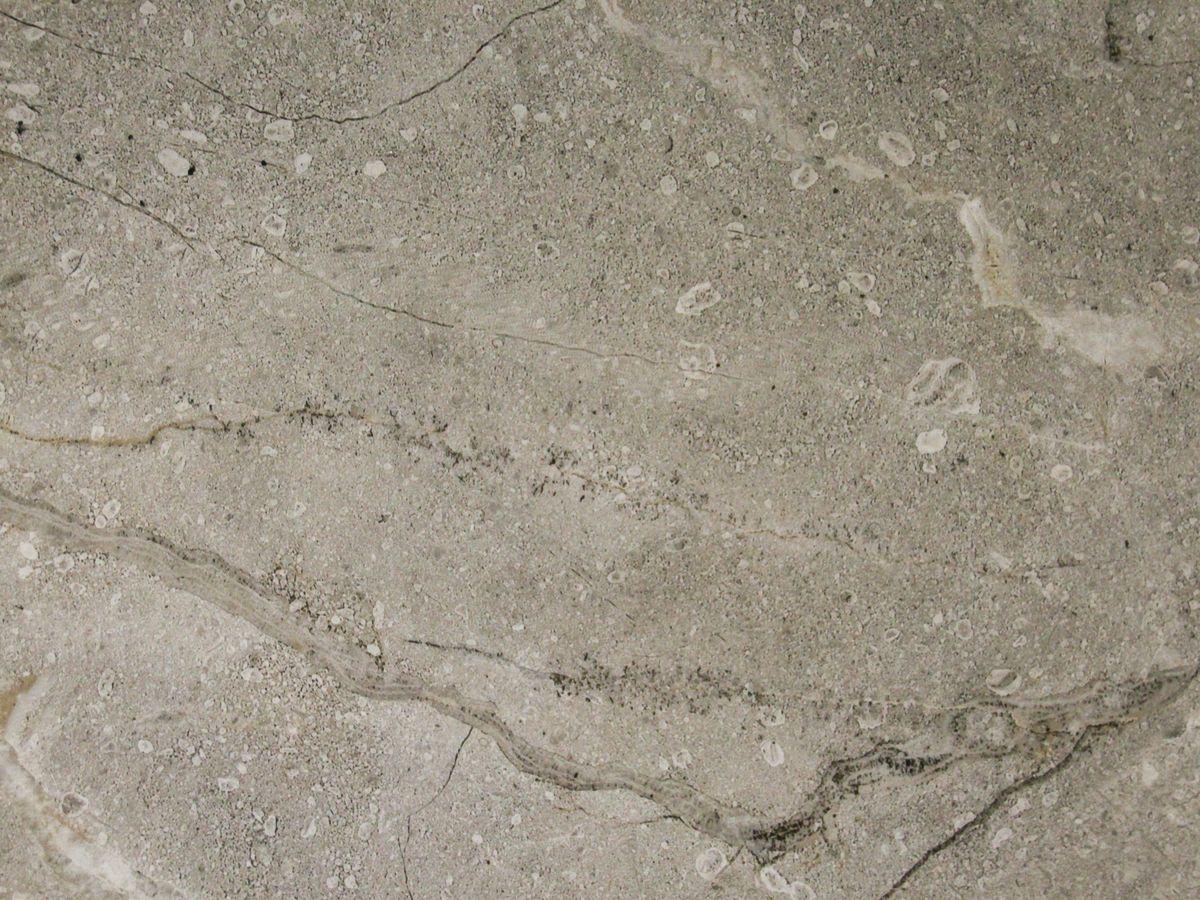
A banded stone with natural voids that are filled at the factory. Fills can loosen with age. We refill them, hone the surface level and usually finish it satin rather than mirror-bright.
Acid-sensitive
Yes
Usual finish
Honed or satin
Limestone
Dense, fine-grained and softer than most marble. It suits a honed or low-sheen finish and benefits from a good penetrating sealer, because it absorbs spills quickly.
Acid-sensitive
Yes
Usual finish
Honed
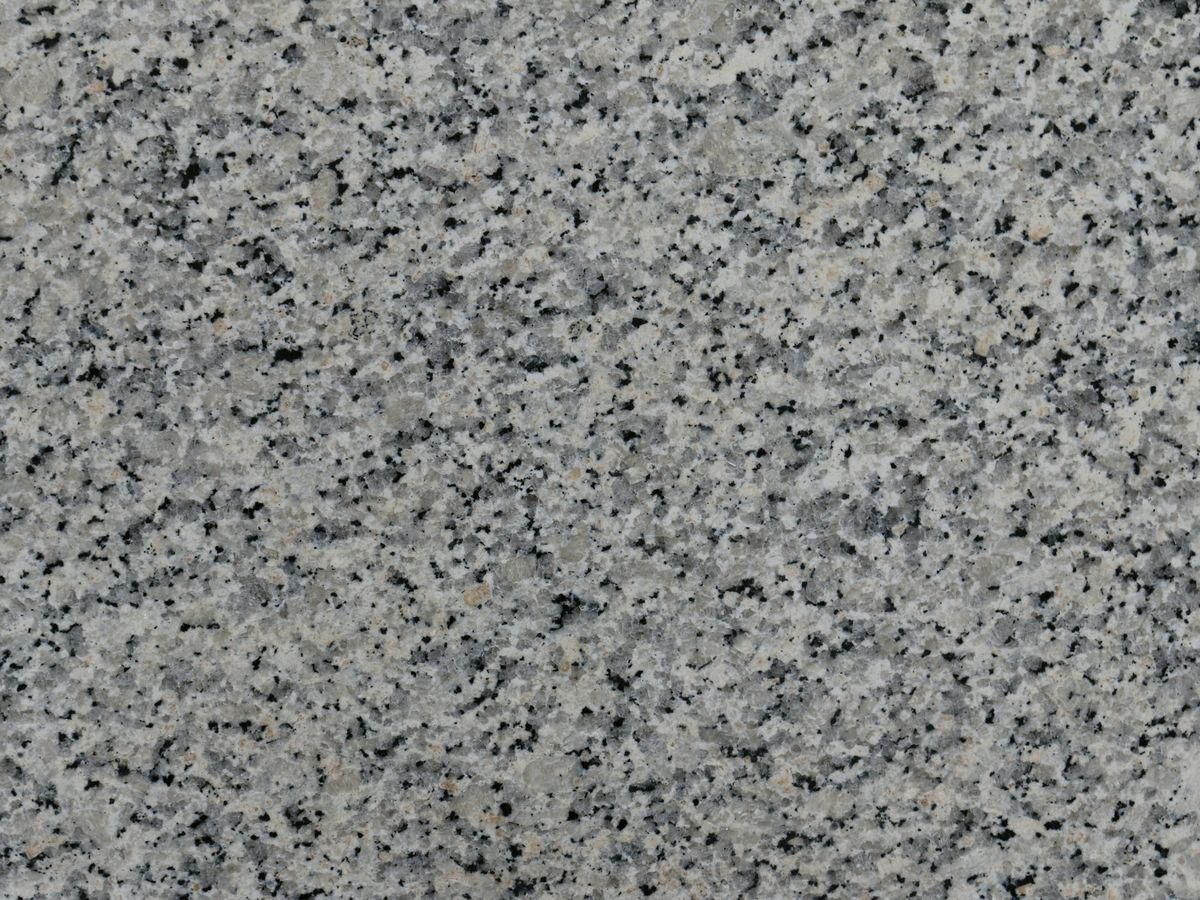
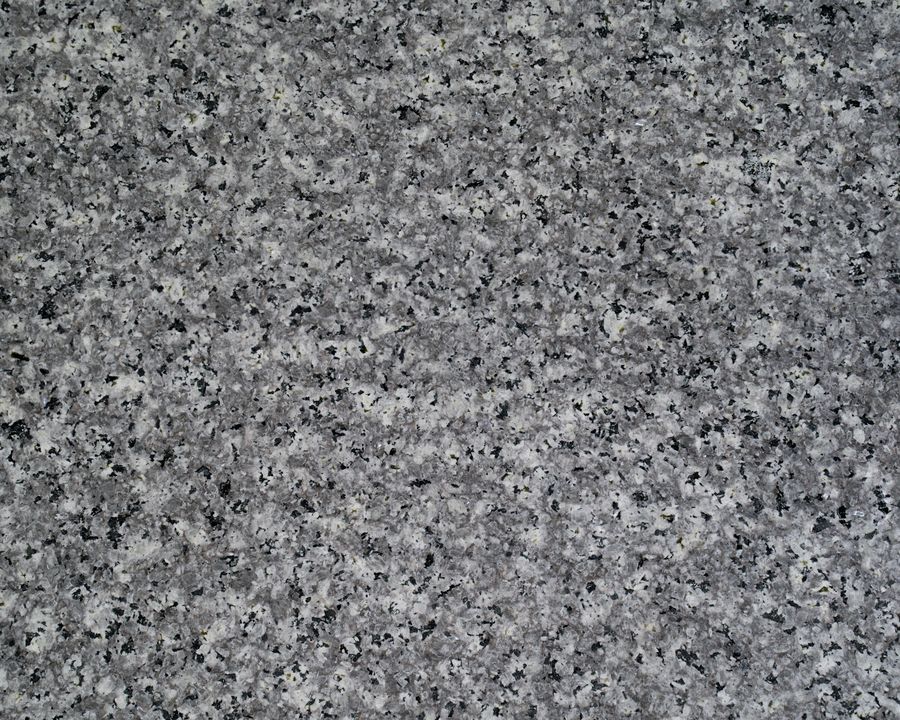
Granite
A hard, speckled stone that resists acids and scratching far better than marble. When it does dull, it needs granite-specific diamond tooling and compounds, and more time under the machine.
Acid-sensitive
Largely resistant
Usual finish
Polished, honed or flamed
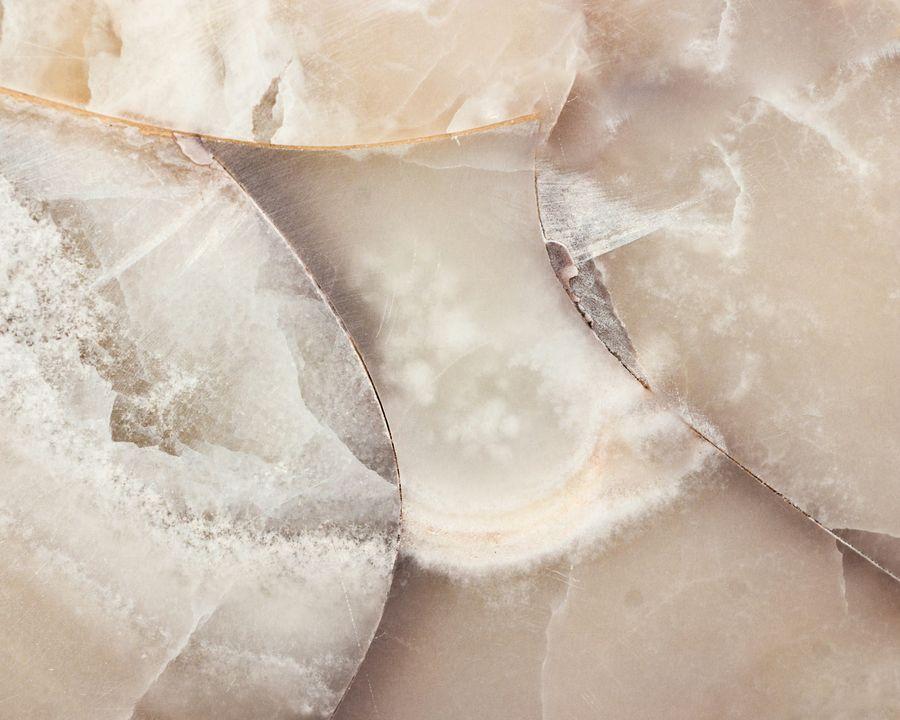
Other Natural Stone
Terrazzo, compressed marble, slate, sandstone and onyx each have their own requirements. If you are not sure what your floor is made of, send us a photo and we will help you identify it.
Acid-sensitive
Varies by stone
Usual finish
Varies by stone
Photos show representative examples of each stone type. Colour and veining vary from slab to slab.
Marble polishing for homes and commercial properties in Singapore
The stone is the same. The way the job is run is not. We plan each project around who uses the space and when.
Residential
Work is planned around your household, with rooms handed back as they are finished.
Residential homes
HDB and BTO flats, landed houses and bungalows with marble, granite or terrazzo floors. We can work room by room so the household keeps running.
Condominiums and apartments
Living and dining floors, bathrooms, kitchen tops and balconies, carried out within your condominium's renovation hours and lift-protection rules.
Commercial
Phased programmes that keep entrances open, tenants informed and the floor presentable throughout.
Hotels and resorts
Lobbies, corridors, lift landings and guest bathrooms, phased so guest areas stay open and presentable.
Office buildings
Reception areas, lift lobbies and washrooms restored after hours or at weekends, ready for the next working day.
Shopping malls
Large stone floors maintained section by section during closed hours, so tenants and shoppers are not disrupted.
Commercial properties
Showrooms, clinics, banks and common areas run by MCSTs and facilities teams, as one-off projects or scheduled contracts.
Restaurants and retail spaces
Floors, counters and table tops that cope with spills and heavy footfall, treated between service periods.
What our customers say
Demo content. The reviews below are layout placeholders, not feedback from real customers. They will be replaced with verified reviews before launch.
Demo
Placeholder review. A homeowner's comments on punctuality, how the furniture and walls were protected, and the finished floor will appear here.
Customer nameCondominium, living and dining area
Demo
Placeholder review. A property manager's comments on scheduling around building hours, communication and the standard of the lobby floor will appear here.
Customer nameCommercial building, lift lobby
Demo
Placeholder review. A customer's comments on stain removal, the advice given on aftercare and overall value will appear here.
Customer nameLanded home, kitchen and stairs
Marble polishing questions, answered
Straight answers to what people ask before booking. If yours is not here, ask us directly.
Marble polishing is the process of mechanically refining a marble surface until it reflects light clearly again. Technicians work the floor with diamond abrasives in progressively finer grades, then finish with a polishing compound. Unlike waxing or coating, it restores the shine of the stone itself, so there is no layer on top to peel, yellow or wear through.
How often should marble floors be polished?
It depends on traffic and day-to-day care. In most homes a full polish every two to five years is typical, and households with children, pets or outdoor shoes worn indoors tend to sit at the shorter end. Commercial floors such as lobbies need attention far more often and are best kept on a maintenance programme. A simple test: when the main walkways look duller than the edges of the room, it is time.
What is the difference between marble grinding, honing and polishing?
They are three stages of the same process, using different grades of abrasive. Grinding is the most aggressive. It levels uneven tiles and removes deep scratches. Honing uses medium grades to smooth the surface to a matte or satin finish. Polishing uses the finest abrasives and compounds to produce a reflective shine. A floor in fair condition may only need honing and polishing, while a badly worn or uneven floor needs all three.
Can scratches and dull spots be removed from marble?
In most cases, yes. Dull spots are usually etch marks, where something acidic such as citrus juice, vinegar or an unsuitable cleaner has reacted with the surface. Etching and light scratches both sit in the top layer of the stone and can be honed out and re-polished. Deep gouges need grinding, and a chip or crack may need filling first.
Can stained marble floors be restored?
Often, but it depends on what caused the stain and how long it has been there. Organic stains such as coffee and tea, and oil-based stains, usually respond well to poultice treatment. Rust and long-standing water damage are harder and may only lighten. We test the affected area during the assessment and tell you what result is realistic before you commit.
Why is my white marble turning yellow, and can it be fixed?
There are three common causes. Old wax or acrylic coatings yellow as they age, and stripping them and re-polishing the stone usually brings the colour back. Moisture trapped under the tiles can show through light marble as cloudy yellow patches, and the source of the water has to be dealt with before polishing will last. Some white marble also contains traces of iron that oxidise over time. That yellowing can sometimes be lightened with a poultice, but where it runs through the body of the stone it cannot be fully reversed. We test before quoting so you know which one you have.
How long does marble polishing take?
As a guide, polishing the living and dining area of an apartment is usually completed within a day. A full restoration with grinding, repairs and sealing across a whole home commonly takes two to four days, depending on the area and the condition of the stone. You receive a schedule with your quotation.
Is marble polishing suitable for residential properties?
Yes. The work is done wet, which keeps dust to a minimum, and we protect walls, skirting, furniture and fittings before starting. You can usually stay in your home while the work is carried out. We move through it in sections and let you know when each area is ready to walk on.
Do you polish marble floors in HDB flats, BTO homes and condominiums?
Yes. Much of the marble in Singapore homes is in HDB resale flats, condominium units and landed houses, and newer BTO flats sometimes have marble added during renovation. We plan the work around your building's permitted renovation hours, protect lifts and common corridors where the management requires it, and use wet methods so very little dust leaves your unit.
Can you polish marble countertops, vanity tops and table tops?
Yes. Kitchen countertops, bathroom vanity tops, basins and marble dining or coffee tables usually suffer from etch rings, water marks and light scratches rather than deep wear. These are honed and re-polished on site, then sealed.
What is marble gum grouting?
Marble gum grouting fills the joints between marble tiles with a stone adhesive tinted to match, instead of ordinary cement grout. Once it sets, the joints are ground and polished together with the tiles, so the lines almost disappear and the floor reads as one surface. It also seals the gaps that collect dirt and let water get under the stone. Epoxy grouting is an alternative for bathrooms and other wet areas.
Do you polish terrazzo and granite floors as well as marble?
Yes. Terrazzo, found in many older HDB flats and landed homes, is ground and polished in much the same way as marble, often with good results on floors that have been covered for years. Granite is much harder and needs different diamond abrasives, so we bring the right tooling once we know what your floor is made of.
Does marble need sealing after polishing?
Sealing is recommended in most cases, particularly in kitchens, dining areas, bathrooms and entrances. A penetrating sealer slows the absorption of spills, giving you time to wipe them up before they stain. It will not prevent etching from acidic liquids, and it is not permanent, so it should be renewed from time to time. How often depends on the stone and how the area is used.
How much does professional marble polishing cost in Singapore?
Marble polishing in Singapore is normally priced by floor area. The rate depends on the condition of the stone, the type of marble, the steps required (grinding and repairs add time) and access to the site. Two floors of the same size can need very different work, so we quote after seeing the floor rather than from a fixed price list. The assessment and quotation are free, and the quotation is itemised so you can see what is included.
How can I maintain polished marble floors?
Dust-mop or vacuum regularly so grit does not scratch the surface. Mop with a pH-neutral stone cleaner and clean water, and avoid vinegar, bleach, bathroom descalers and general-purpose floor cleaners. Wipe up spills promptly, especially citrus, wine, coffee and soft drinks. Use doormats at entrances, felt pads under furniture and coasters under glasses, and reseal when water stops beading on the surface.
Request a free marble polishing quote
Tell us about your floor and we will come back to you to arrange an assessment. The more detail you give, the more useful our first reply will be.